Project Info
COMPLETE
 Project Title
Project Title
Electrification with Power Efficient Technologies
Project Number ET25SWE0016 Organization SWE (Statewide Electric ETP) End-use Whole Building Sector Commercial Project Year(s) 2025 - 2026Project Results
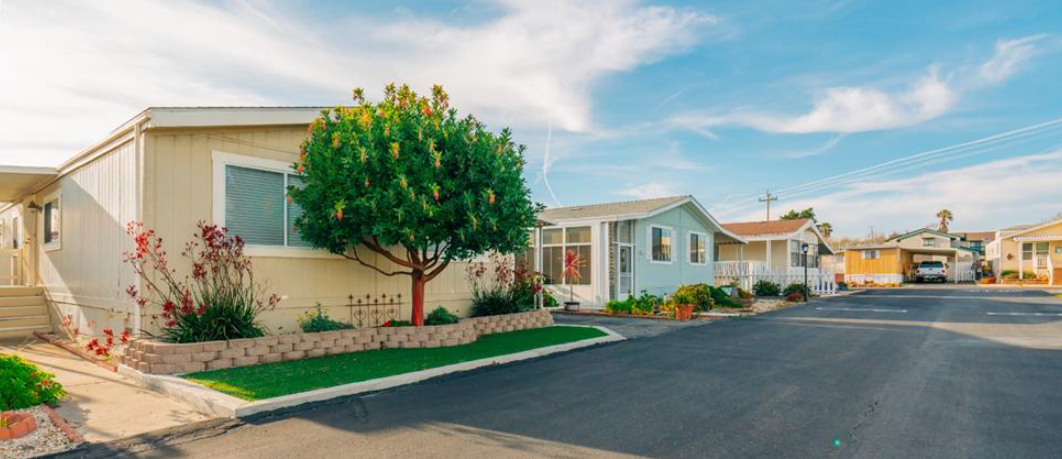
This project investigates the integration of Intelligent Power Management Technologies with power-efficient plug loads, such as battery-integrated and 120V appliances, to develop cost-effective strategies for electrifying manufactured homes. The aim is to address panel and service capacity challenges, particularly in manufactured homes with 100-amp service, through a whole-building integrated systems approach. The study provides an overview of simple, quick, and cost-effective electrification solutions, reducing the need for expensive electrical service upgrades for homes looking to electrify space conditioning, water heating, cooking, and clothes drying. The project team conducted a comprehensive market study that included technology identification and characterization, scenario development and energy modeling, electrical code analysis, cost and qualitative impact assessment, and stakeholder engagement. The analysis shows that full electrification of manufactured homes using existing 100-amp service is already achievable. Although smart panels offer one viable approach, a more cost-effective strategy can rely on combining high-efficiency appliances with targeted load management solutions. In many cases, code compliance can be met through selective controls, such as a single smart circuit switch, reducing overall system cost while maintaining performance and reliability. The research identified numerous viable electrification pathways and demonstrated that compliance can differ depending on electrical load calculation rules, which can introduce uncertainty for homeowners. This report translates these findings into tailored guidance for manufactured home communities to support incremental electrification while planning for fully electric homes. The guidance emphasizes early coordination with contractors, utilities, and park managers, and provides prompts to help homeowners assess feasibility, size equipment appropriately, and identify incentives before major work. These resources can be applied to other housing types, supporting broader cost-effective electrification pathways.
Project Report Document
Loading PDF Preview...